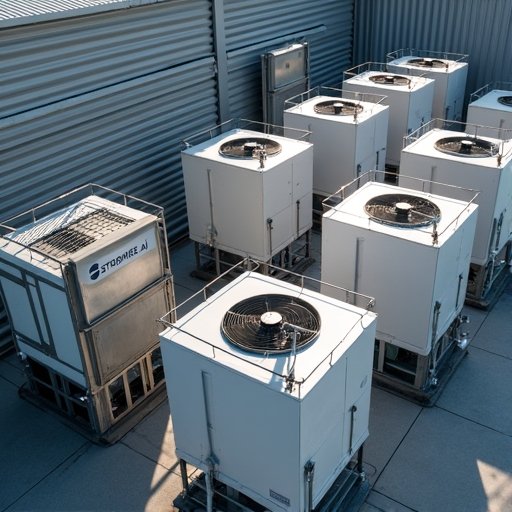
Powering Hospitality: A Deep Dive into Hotel Energy Management Dynamics
The analysis identifies peak energy demands of up to 524 kW, with specific spikes occurring during late mornings and early evenings. Combined Heat and Power units maintain a steady flow of approximately 170 kW to manage these fluctuations.
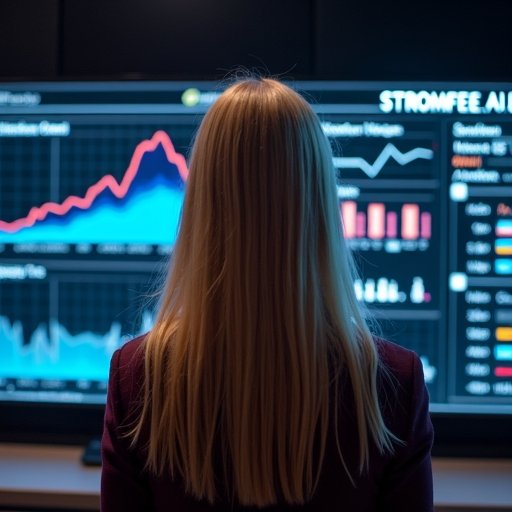
1️⃣ Did you know hotels have specific peak times for energy use? Yep, late mornings and early evenings see the highest spikes, especially around 400 kW! It’s mainly when everyone is up and about. 🕒🏨
2️⃣ Our trusty Combined Heat and Power (CHP) units are the unsung heroes here, keeping the energy flow steady at about 170 kW. But guess what? They could do even more during busy times! 🌞🔋
3️⃣ Imagine a hotel without its CHP. Energy demands could shoot up to 524 kW! This just shows how crucial CHPs are in keeping things balanced. 🔄⚡
4️⃣ The kitchen is another hotspot, literally! Energy peaks at 318 kW during meal prep. Talk about cooking up a storm! 🍳🔥
5️⃣ Meanwhile, in the dining area, energy hits 105 kW during those bustling meal times. It’s all about timing when it comes to managing energy smartly. 🍽️💡
6️⃣ Over in the heat distribution room and clubroom, we see demands reaching 135 kW. Managing these peaks could really help in heating things up more efficiently! 🔥🏠
7️⃣ And let’s not forget about keeping our food cool. The cooling systems are steady at 35.2 kW, proof that good management keeps things chill. ❄️🍲
8️⃣ Last, the shop and reception areas have a chill vibe with energy demands peaking slightly at 29.2 kW during check-ins and check-outs. 🛒🏨
💡 All these insights show us how essential smart energy management is, not just to save costs but also to enhance our sustainability efforts. 🌍💚