Energy Dynamics in Hotels: A Comprehensive Guide to Power Consumption and Sustainability
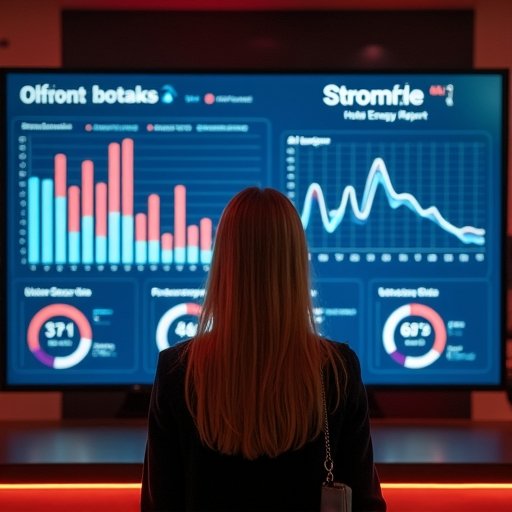
The analysis links measured data from Stromfee monitoring: a peak load of up to 524 kW. Such patterns form the basis for temperature- and load-driven energy management.
Hey there, eco-warriors! 🌍✨ Ever wondered how your hotel stays impact the planet? Let’s dive into the world of energy consumption in hotels and see just where all that energy goes! 🏨💡
1️⃣ First off, did you know hotel energy use spikes during midday and late evening rushes? That’s when everyone’s checking in or out and grabbing meals. Yes, those bustling times eat up a whopping 400 kW of power! 🕒🔌
2️⃣ But here’s a cool fact: hotels can rock a system called Combined Heat and Power (CHP), keeping their power production smooth and steady at about 170 kW. This not only covers some of their energy needs but also keeps things eco-friendly. 🌱🔄
3️⃣ Imagine a hotel without CHP… Yikes! The energy demand could jump to 524 kW, especially during those super busy afternoon hours. More energy sourcing needed! 📈☀️
4️⃣ Let’s not forget the kitchen, the heart of any hotel. With a constant demand of 318 kW, peaking during meal preps, it’s clear why this area is essential in energy discussions. 🍳💬
5️⃣ Dining rooms aren’t far behind, peaking at 105 kW. Those delicious breakfasts and dinners mean fluctuating energy use, highlighting perfect times to save energy when it’s quieter. 🍽️🔋
6️⃣ What about the comfort zones like heat distribution rooms and clubrooms? They peak at 135 kW but remain fairly stable, showing how guest comfort also shapes energy use. 🛋️🌡️
7️⃣ Food cooling is critical too, maintaining a steady 35.2 kW. Efficient cooling keeps your food fresh and saves energy! ❄️🥗
8️⃣ The shop and reception area might seem quieter on the energy front, peaking at just 29.2 kW, but it’s all about being efficient without compromising guest service. 🛒🛎️
9️⃣ So, what’s the takeaway? Balancing energy production with savvy consumption, especially in high-demand areas like kitchens and during peak hours, is key. By improving energy strategies, hotels can boost operational efficiency and keep our planet cooler! 🌟📊
Let’s make every stay a step towards a better planet! 🌐💚