Chilling Data: How Winter Temperatures Drive Energy Consumption
The analysis documents measured key figures (temperatures around -1.7 to 15 °C, load up to 31.7 kW) and turns them into concrete levers for more demand-based, economical heat supply.

🌡️📉 Brrr, have you ever wondered how the chill outside impacts our energy use? Dive into our latest #DataVisuals to check out the cool fluctuations in temperature from Jan 15 to Feb 11. You’ll see temps swing from a frosty -1.72°C up to a comfy 15°C! Yep, winter is playing its game, and we’re here to track its moves! 📊
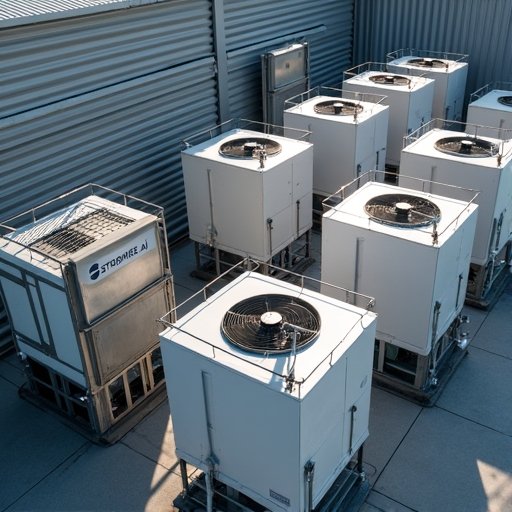
💨🔋 Next up, let’s chat about our #CoolingCompressors. Did you know their energy kicks up to 31.7 kW during some of these chilly times? It’s like watching a power workout! Peaks around Jan 18 and Feb 2 mark some hot dates for energy spikes. Now, that’s some intense winter activity! ❄️⚡
🔍 Analyzing temps and compressor usage together shows a super interesting link! As the mercury drops, compressors work a tad differently. And hey, those random energy jumps? Looks like they need a closer look for some #EcoFriendly tweaks!
🌍 So, what’s all this mean? Well, our handy data tells a tale of predictable winter patterns and the dance of our energy systems in response. With a few smart strategies, we could optimize these patterns for better performance and efficiency – think greener and leaner operations during these cold months! 🌱💡
In essence, peeps, this whole analysis is all about finding smarter ways to handle energy when temps take a dip. Better efficiency not only saves money but helps our planet too. Let’s keep the conversation going! What cool eco-tips do you have for saving energy in winter? Drop your thoughts below! ❄️🌟