Energy Dynamics Unveiled: How Temperature Shifts Impact Home Heating Efficiency
The analysis links measured data from Stromfee monitoring: a largely constant temperature around 5°C, a peak load of up to 30 kW. Such patterns form the basis for temperature- and load-driven energy management.
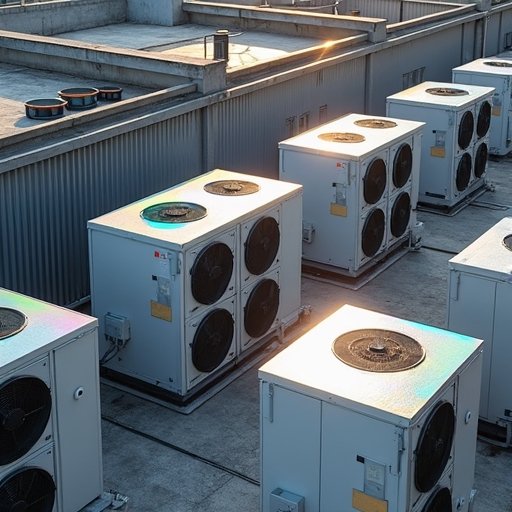
Hey everyone! 🌟 Have you ever wondered how chilly weather impacts our energy use at home? Let’s dive into some cool insights about temperature fluctuations and energy efficiency in heating systems! 🌡️❄️
1️⃣ Temperature Tales: Picture this – over time, the mercury dips low, hitting 5°C or below, especially as we cozy up from mid-January to early February. But hey, guess what? Sometimes the weather throws us a curveball with unexpected warm snaps! 🌞
2️⃣ Power Play: Now, let’s talk energy! Our heating systems work overtime during those cold snaps, sometimes chugging more than 30 kW to keep us toasty. 🏠💡 It’s fascinating seeing these spikes right when the temperature decides to play hide and seek with us!
3️⃣ Linking the Dots: When we lay out our temperature data and energy use side by side, a clear pattern emerges – the cooler it gets outside, the harder our systems work. This tag-team effort between dropping temps and rising energy use is something we can’t ignore.
4️⃣ What It All Means: Through understanding these trends, we gain valuable insights into how our homes handle the cold. It’s crucial info for anyone looking to tweak their system for optimal cozy vibes while keeping energy use in check – and yes, maybe even saving some money! 💰🍃
Together, let’s stay informed and make smarter choices for our comfort and our planet! How do you manage your heating efficiency? Drop your tips or questions below! 🔽