"Cold Comfort: Decoding Temperature Trends and Energy Consumption"
The analysis documents measured key figures (temperatures around -5 to 15 °C, load up to 31.7 kW) and turns them into concrete levers for more demand-based, economical heat supply.
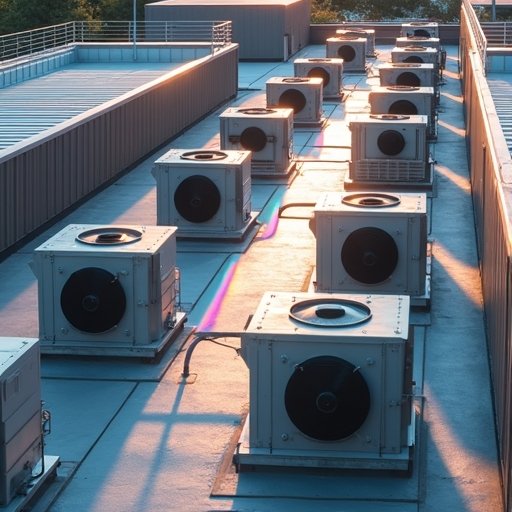
Hey, weather watchers! 🌡️📉 Have you ever wondered how those chilly days affect your energy use? Let’s dive into some cool insights from recent temperature trends and what they mean for our heating systems.
1️⃣ Outdoor Temperature Trends:
From the coziness of mid-January to the brisk beginning of February, outdoor temps have danced between a frosty -5°C and a mild 15°C. 🥶➡️🌤️ Keep an eye on those late-Jan sneaky cold snaps; they might just make you crank up the heat!
2️⃣ Cooling Compressor Load Analysis:
Ever noticed your air conditioner working harder some days? It’s not just you! Our data shows the power use of cooling systems spikes up to 31.7 kW during those really cold times, maybe reacting to those sudden temperature drops. Keep it in mind next time your energy bill pops up! 💡📈
3️⃣ Correlations and Implications:
It turns out, as we bundle up indoors because of dropping temps, our heating systems have to kick into higher gear, using more energy. This lil’ dance between cold days and energy use might just be why our bills can be a bit unpredictable. ❄️💸
4️⃣ Summary and Insights:
Understanding this dance between weather and energy helps manage our heating more effectively and maybe even cut down on those pesky bills. As we watch the thermostat, smart tweaks to how we use our cooling tech can lead to smoother operations and greener energy habits. 🌍💚